Short answer: yes. Underwater portrait sessions are safe when they’re done with proper preparation, communication, and a controlled environment. Here’s how safety works in my sessions and what you should expect from any underwater photographer. For the full overview of underwater sessions, check out the complete underwater senior portraits guide.
The Environment#
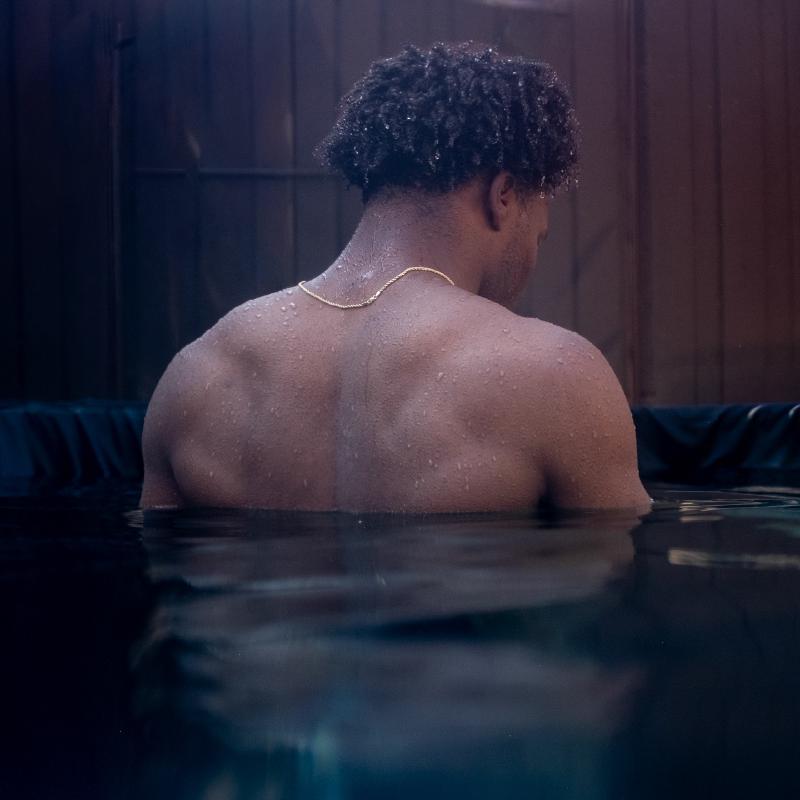
All of my sessions take place in a private backyard pool. The water is shallow enough to stand in, and you’re never more than a few feet from the edge. This isn’t open water diving. It’s a controlled, calm environment where you’re fully in charge of how deep you go and how long you stay under.
Safety Briefing Before Every Session#
Before anyone gets in the water, we go through a full safety walkthrough. This covers:
- Hand signals. How to communicate underwater without words
- Breathing basics. When to breathe, how to exhale through your nose, and how to avoid discomfort
- Session flow. What each set looks like and when breaks happen
- Your limits. You decide how deep, how long, and how far. No pressure, ever
This isn’t a formality. It’s the foundation of every session.
You Control the Pace#
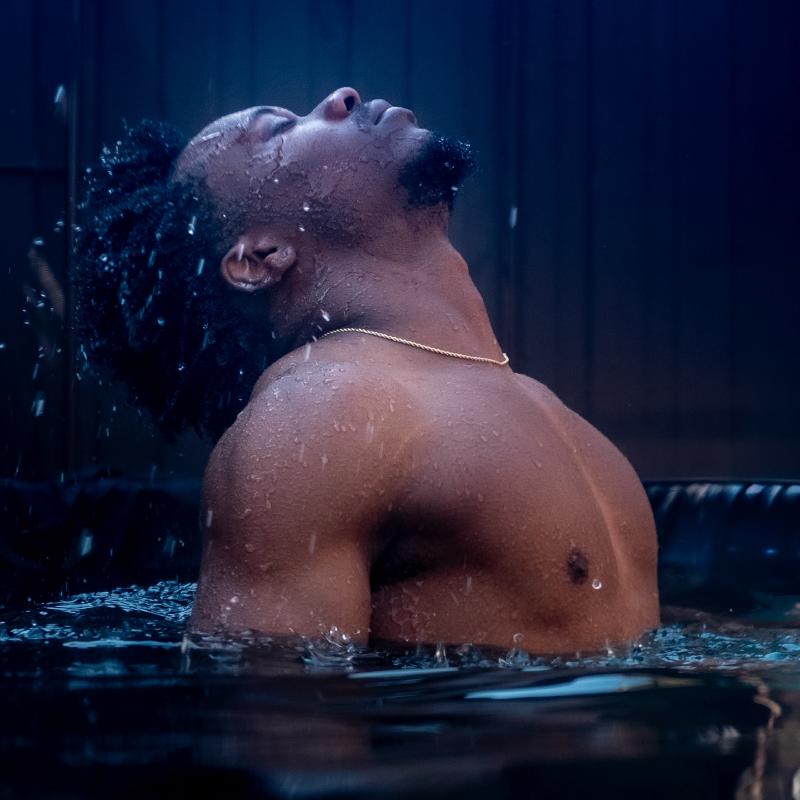
You choose when you go under and when you come up. Every single time. We shoot in short bursts, usually 5-10 seconds at a time, with breaks between each set. If you need more time between takes, you take it. If something doesn’t feel right, we stop.
There’s no rushing. The whole point is to create great photos while you feel comfortable and safe.
You Don’t Need to Be a Strong Swimmer#
This is the most common concern I hear, and it’s totally valid. You don’t need to be a strong swimmer. You need to be comfortable putting your face underwater and holding your breath for a few seconds. That’s the bar.
The pool is shallow. You can stand up at any time. And I’m right there with you the entire session.
What About Water in My Nose and Eyes?#
Exhaling gently through your nose as you go under keeps water out. It becomes second nature after the first couple of takes. For your eyes, keeping them relaxed and softly open (or closed for certain poses) works perfectly. No goggles needed.
If any of this feels uncomfortable during the session, we adjust. Always.
Buoyancy and Body Comfort#
Water makes you feel lighter. That’s buoyancy working in your favor. You’ll float naturally, and we use that to create beautiful, weightless-looking poses. Some people find it surprisingly relaxing once they settle in.
If you’ve never been fully submerged in a pool before, I’d recommend spending some time in water before your session just to get comfortable. Even 15-20 minutes of practice helps.
What Your Photographer Should Always Do#
If you’re researching underwater photographers, here’s what to look for:
- Safety briefing before every session. No exceptions
- Shallow, controlled environment. Pools, not open water (unless they’re specifically trained for that)
- Clear communication. You should know exactly what’s happening at every step
- CPR and First Aid knowledge. Any photographer working in water should have basic emergency training
- No pressure. A good photographer will never push you past your comfort level
The Bottom Line#
Underwater photography is safe when it’s treated with respect. The environment is controlled, the water is shallow, and you’re always in charge. Most clients walk away saying it was way more fun and way less scary than they expected.
Ready to start preparing? Here’s how to get ready for your underwater session.
Still have questions? Let’s talk through it.